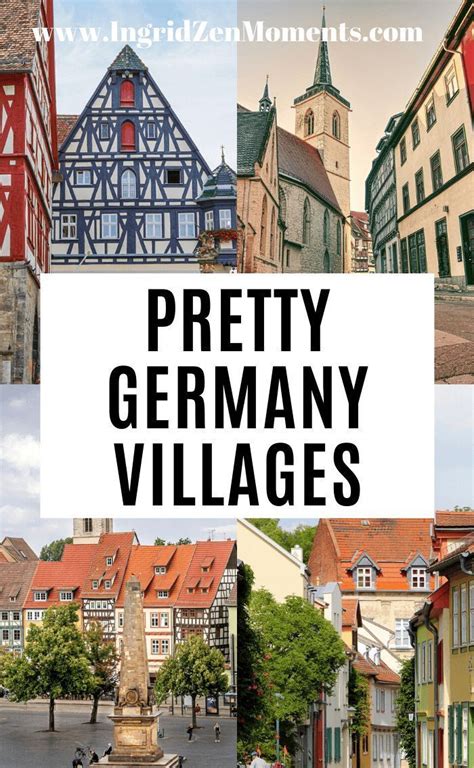
Discovering Germany’s Enchanting Old Villages# Discovering the Charm of Old German VillagesAlright, guys, let’s talk about something truly special:
old German villages
. Have you ever dreamed of stepping into a real-life fairytale? That’s exactly what awaits you in these incredibly preserved corners of Germany. We’re not just talking about any old towns; we’re talking about places where history whispers from every
cobblestone street
and where the iconic
half-timbered houses
paint a picture straight out of a storybook. These
historic German villages
offer a unique glimpse into a bygone era, a chance to slow down and immerse yourself in a world that feels wonderfully untouched by time. From the moment you arrive, you’ll be struck by the distinctive
traditional German architecture
, often adorned with vibrant flower boxes and intricate carvings, each telling its own tale.The sheer variety of these
charming German villages
is astounding. Whether you’re picturing the dramatic landscapes of the Black Forest, the rolling vineyards along the Moselle River, or the fortified walls of a medieval stronghold, Germany has a historic village to capture your imagination. What makes these places so captivating, you ask? Well, it’s a combination of factors: their deep
cultural heritage
, the meticulous preservation efforts, and the genuine warmth of the local communities. Imagine wandering through narrow alleys, discovering hidden courtyards, and stumbling upon quaint bakeries selling age-old recipes. It’s an experience that engages all your senses, from the scent of fresh pretzels to the sound of church bells chiming in the distance. These aren’t just tourist traps; they are living, breathing communities that have maintained their unique character for centuries.When we talk about
old German villages
, we’re referring to places that often boast roots stretching back to the Middle Ages or even earlier. They were strategically built, often around castles, rivers, or vital trade routes, and their layout reflects the practicalities and defense needs of their time. The beauty lies in their authenticity; many of these villages haven’t just preserved their buildings but also their traditions, festivals, and way of life. It’s an opportunity to truly connect with German history and culture in a way that big cities simply can’t offer. You’ll find yourself wondering about the lives of the people who built these homes, walked these streets, and contributed to the rich tapestry of
German village life
. So, buckle up, because we’re about to embark on an incredible journey through some of Germany’s most enchanting and
historic German villages
, uncovering their secrets and falling in love with their timeless appeal. Get ready to add some serious charm to your travel bucket list!# The Timeless Allure of Half-Timbered ArchitectureLet’s dive deeper into one of the most defining features of
old German villages
: their absolutely stunning
half-timbered houses
, or
Fachwerkhäuser
as they’re known locally. Seriously, guys, these aren’t just buildings; they’re works of art! When you picture a quintessential
historic German village
, chances are you’re envisioning those iconic structures with their visible timber frames and colorful infills. This style of
traditional German architecture
isn’t just aesthetically pleasing; it’s a testament to ingenious medieval engineering and carpentry skills that have stood the test of time, quite literally. The exposed wooden beams, often made of oak, act as the skeleton of the house, providing structural integrity, while the spaces in between were traditionally filled with wattle and daub, bricks, or stone.The beauty of
half-timbered houses
lies in their incredible diversity and regional variations. While the basic principle remains the same, you’ll notice distinct differences as you travel across Germany. For example, in regions like the Black Forest, you might see darker wood and more steeply pitched roofs, designed to shed heavy snow. Along the
Romantic Road
and in parts of Bavaria, the timber frames might be more ornate, with intricate carvings and brightly painted panels. In the Moselle Valley, you’ll often find them nestled among vineyards, their warm tones complementing the lush green landscape. Each region developed its own unique decorative elements and construction techniques, making every
charming German village
a living museum of architectural styles. It’s truly fascinating to see how these buildings adapted to local materials, climates, and cultural preferences over centuries.Beyond their structural function, the timber frames themselves often tell a story. You’ll sometimes see specific patterns or symbols incorporated into the woodwork, which could indicate the owner’s profession, their wealth, or even offer protection against evil spirits. The vibrant colors used for the plaster infills – reds, blues, yellows, and greens – add a cheerful and inviting touch, especially against the backdrop of ancient stone walls and blooming flowers. Walking through a village lined with these houses, you can’t help but feel a profound connection to the past. They represent a legacy of craftsmanship and a deep respect for tradition that continues to thrive in
old German villages
. These aren’t just old buildings; they are homes, shops, and guesthouses that have been lovingly maintained and lived in for generations, keeping the spirit of
German village life
alive. It’s this continuous history, this blend of the ancient and the everyday, that gives these
historic German villages
their unparalleled charm and makes exploring them an absolute must for anyone seeking a true
fairytale atmosphere
. Seriously, you’ll be snapping photos left and right!# A Journey Through History: Life in Historic German VillagesAlright, let’s step back in time and explore what
German village life
was truly like in these
historic German villages
. It’s not just about pretty buildings, guys; it’s about understanding the heart and soul of these communities that have evolved over centuries. Many of these
old German villages
trace their origins back to medieval times, often growing up around a strategic castle, a monastery, or a vital trade route. Picture this: life revolved around the rhythm of the seasons, the local church, and the communal efforts required for survival and prosperity. Farmers toiled in the fields, artisans practiced their crafts in small workshops, and merchants brought news and goods from distant lands. The strong sense of community was paramount, with everyone playing a role in the village’s well-being.The layout of these
charming German villages
often reflects their historical functions. You’ll notice fortified walls and towers in places like Rothenburg ob der Tauber, a clear indication of their defensive needs in tumultuous times. Central market squares served as the bustling hub of activity, where goods were traded, news was shared, and festivals were celebrated. The intricate network of
cobblestone streets
wasn’t just for aesthetics; it was designed for practical movement of people, animals, and carts, often leading to key areas like the church, the mill, or the village well. These streets have witnessed countless generations, echoes of laughter, footsteps, and the clip-clop of horses still resonating through their ancient stones. It’s like walking through a living history book, where every corner holds a piece of the past.Beyond the physical structures,
cultural heritage
is deeply embedded in the traditions and daily routines of these villages. Many
old German villages
have preserved unique local customs, dialects, and culinary practices that have been passed down for generations. You might encounter traditional festivals, like wine harvests in the Moselle Valley or Christmas markets that have been running for hundreds of years, offering a truly authentic experience. These events are not just for tourists; they are vital expressions of community identity and continuity. Understanding the history of these villages helps us appreciate the resilience and ingenuity of their inhabitants. From enduring conflicts and plagues to embracing technological advancements, these communities have continuously adapted while holding onto their core values. Exploring these
historic German villages
offers a profound insight into the tapestry of German history, revealing how small, self-sufficient communities formed the backbone of a developing nation and how their legacies continue to shape the vibrant
fairytale atmosphere
we cherish today. It’s a genuine connection to where we’ve come from, and it’s absolutely fascinating.# Unearthing Hidden Gems: Must-Visit Old German VillagesAlright, guys, now that we’ve talked about the magic of
old German villages
and their incredible
half-timbered houses
, you’re probably wondering: where can I actually go to experience this for myself? Well, buckle up, because Germany is absolutely brimming with
charming German villages
that will steal your heart! Each one offers its own unique flavor of history and beauty, so let’s highlight a few absolute must-visits that perfectly encapsulate that
fairytale atmosphere
we’ve been discussing.First up, you simply
have
to put
Rothenburg ob der Tauber
on your list. Seriously, this place is the poster child for
medieval German villages
! Located on the famous
Romantic Road
, Rothenburg is famous for its impeccably preserved medieval old town, complete with a complete city wall you can walk along. You’ll feel like you’ve stepped straight into a Brothers Grimm story with its narrow
cobblestone streets
, colorful
half-timbered houses
, and the iconic Plönlein intersection. Don’t miss the Night Watchman’s Tour for an entertaining and historical perspective. It’s bustling, sure, but for a good reason – it truly delivers on the promise of
historic German villages
.Next, let’s head north to
Quedlinburg
, a UNESCO World Heritage site in the Harz Mountains. This place is an absolute treasure trove of
half-timbered houses
, boasting over 2,000 of them, dating back as far as the 14th century! Unlike Rothenburg, Quedlinburg offers a slightly less polished, more authentic vibe, giving you a deeper sense of
old German villages
as living, breathing communities. Wander through its winding alleys, discover hidden courtyards, and soak in the rich
cultural heritage
. It’s a photographer’s dream and a history buff’s paradise.Another gem is
Cochem
, nestled along the picturesque Moselle River. This
charming German village
is dominated by the majestic Reichsburg Cochem castle, perched high above the town, offering breathtaking views of the vineyards and the river below. The village itself is a delightful collection of
half-timbered houses
, quaint shops, and riverside cafes. It’s perfect for those looking to combine historical exploration with stunning natural beauty and, of course, delicious local wine. The blend of
traditional German architecture
and scenic landscapes makes Cochem incredibly special.And then there’s
Monschau
, tucked away in the Eifel region near the Belgian border. This little wonder feels truly secluded and utterly captivating. With its narrow streets, stone bridges arching over the Rur River, and densely packed
half-timbered houses
cascading down the hillsides, Monschau is often called the “Pearl of the Eifel.” It’s especially magical in winter with Christmas lights, but equally enchanting in spring and summer when flowers adorn every window. It embodies the essence of
German village life
in a beautifully tranquil setting.Finally, for something a bit different, consider
Gengenbach
in the Black Forest. Known for its charming old town and the magnificent Town Hall, which transforms into the world’s largest Advent calendar during Christmas, Gengenbach showcases the distinctive
traditional German architecture
of the Black Forest region. Its friendly atmosphere and stunning surroundings make it an ideal base for exploring the region’s famous cuckoo clocks and natural wonders. These are just a few examples, guys, but each of these
historic German villages
offers an unforgettable journey into Germany’s rich past and vibrant present, promising an experience that goes far beyond just sightseeing. You won’t regret visiting any of them!# Experiencing Authenticity: Tips for Your German Village AdventureAlright, my fellow adventurers, now that you’re totally hyped about visiting
old German villages
and seeing those amazing
half-timbered houses
for yourselves, let’s talk about how to make your trip absolutely unforgettable. It’s all about experiencing the authenticity and really soaking in that
fairytale atmosphere
! To truly appreciate these
historic German villages
, it’s helpful to go in with a few tips up your sleeve.First off,
timing is key
. While these
charming German villages
are beautiful year-round, visiting during the shoulder seasons (spring: April-May, or autumn: September-October) often means fewer crowds and pleasant weather. You’ll still get vibrant colors from blooming flowers or stunning fall foliage, and the temperatures are perfect for strolling those
cobblestone streets
. Summer can be lovely too, but some of the more famous spots, like Rothenburg ob der Tauber, can get quite busy. If you’re into Christmas markets, late November and December transform these villages into magical winter wonderland, showcasing a different, equally enchanting side of
German village life
.When it comes to
getting around
, consider public transport for inter-village travel, but be prepared to do a lot of walking within the villages themselves. Many
old German villages
have pedestrian-only zones, which is fantastic for exploration, but means comfy shoes are a must! Renting a car gives you the most flexibility, especially if you want to explore multiple smaller, less accessible
historic German villages
or drive through scenic routes like the
Romantic Road
or the Black Forest. Just remember that parking can sometimes be limited in the historic centers.
Embrace local cuisine and traditions
. Don’t just stick to what you know! These
charming German villages
are perfect places to try regional specialties. Think hearty traditional German dishes, delicious local wines from the Moselle or Rhine regions, or unique beers brewed right in the village. Pop into a local bakery for some fresh bread or a pastry, and don’t be shy about striking up a conversation with locals (a simple “Hallo” or “Guten Tag” goes a long way!). Many
old German villages
host local festivals throughout the year – check local calendars before you go. These events are fantastic opportunities to witness traditional dances, music, and crafts, and truly immerse yourself in the
cultural heritage
.Finally,
slow down and savor the moment
. It’s easy to rush from one landmark to another, but the true magic of these
historic German villages
lies in their atmosphere. Take your time wandering through narrow alleyways, peek into courtyards, sit at a cafe and watch the world go by, or simply find a quiet spot to admire the
traditional German architecture
. Notice the intricate details on the
half-timbered houses
, imagine the stories these buildings could tell, and let the centuries of history wash over you. By doing so, you’re not just seeing Germany’s past; you’re truly experiencing the enduring charm and unique
German village life
that makes these places so incredibly special. It’s an adventure that promises not just sights, but genuine memories.# Preserving the Past: The Enduring Legacy of Germany’s Old VillagesAs we wrap up our little journey, guys, it’s clear that
old German villages
are much more than just pretty pictures on a postcard. They are living testaments to Germany’s rich past, precious jewels of
cultural heritage
that continue to captivate visitors from all over the globe. The preservation of these
historic German villages
, with their iconic
half-timbered houses
and winding
cobblestone streets
, isn’t just about maintaining old buildings; it’s about safeguarding a unique way of life, an architectural legacy, and the very soul of a nation’s history. These aren’t static museum pieces; they are vibrant communities where
German village life
continues to thrive, albeit with modern conveniences seamlessly integrated.The efforts to preserve these
charming German villages
are truly commendable. Many have received UNESCO World Heritage status, which provides additional protection and resources to maintain their integrity. Local residents and authorities work hand-in-hand to ensure that new developments respect the traditional aesthetic and character, making sure that the
fairytale atmosphere
ensures for future generations. This commitment means that when you visit, you’re not just seeing a replica; you’re experiencing a continuity that spans centuries. You can witness the careful restoration of a
half-timbered house
, see traditional craftsmen at work, and feel the deep respect for history that permeates these communities. It’s a powerful reminder that while the world rushes forward, there’s immense value in holding onto the beauty and wisdom of the past.The enduring legacy of
old German villages
lies in their ability to transport us. They invite us to slow down, to imagine a different pace of life, and to connect with the stories of those who came before us. They serve as vital educational tools, illustrating architectural evolution, social structures, and cultural practices across different eras. For many, a visit to these
historic German villages
is an escape from the hustle and bustle, a chance to find peace and beauty in a world that often feels too fast. Whether it’s the specific
traditional German architecture
of a particular region, the quaint charm of a medieval town like those found along the
Romantic Road
, or simply the welcoming spirit of the locals, these villages offer something profoundly enriching. So, next time you’re planning an adventure, consider straying off the beaten path and immersing yourself in the timeless magic of Germany’s old villages. Trust me, you’ll come away with memories that last a lifetime and a deeper appreciation for the beauty of preserved history. They truly are Germany’s hidden treasures, waiting to be explored.
